Property Taxes Along 30A: What Homebuyers Should Know


30A Community · Community Photo
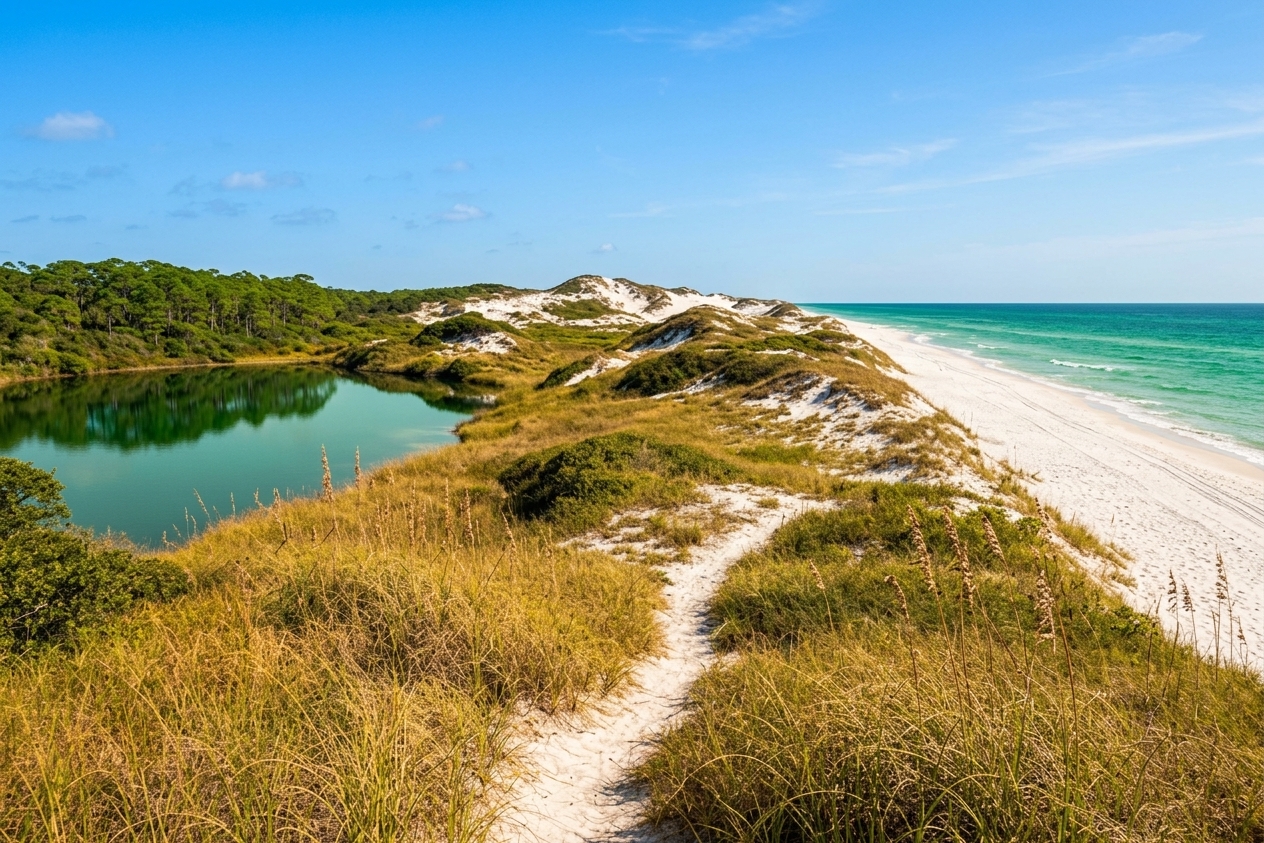
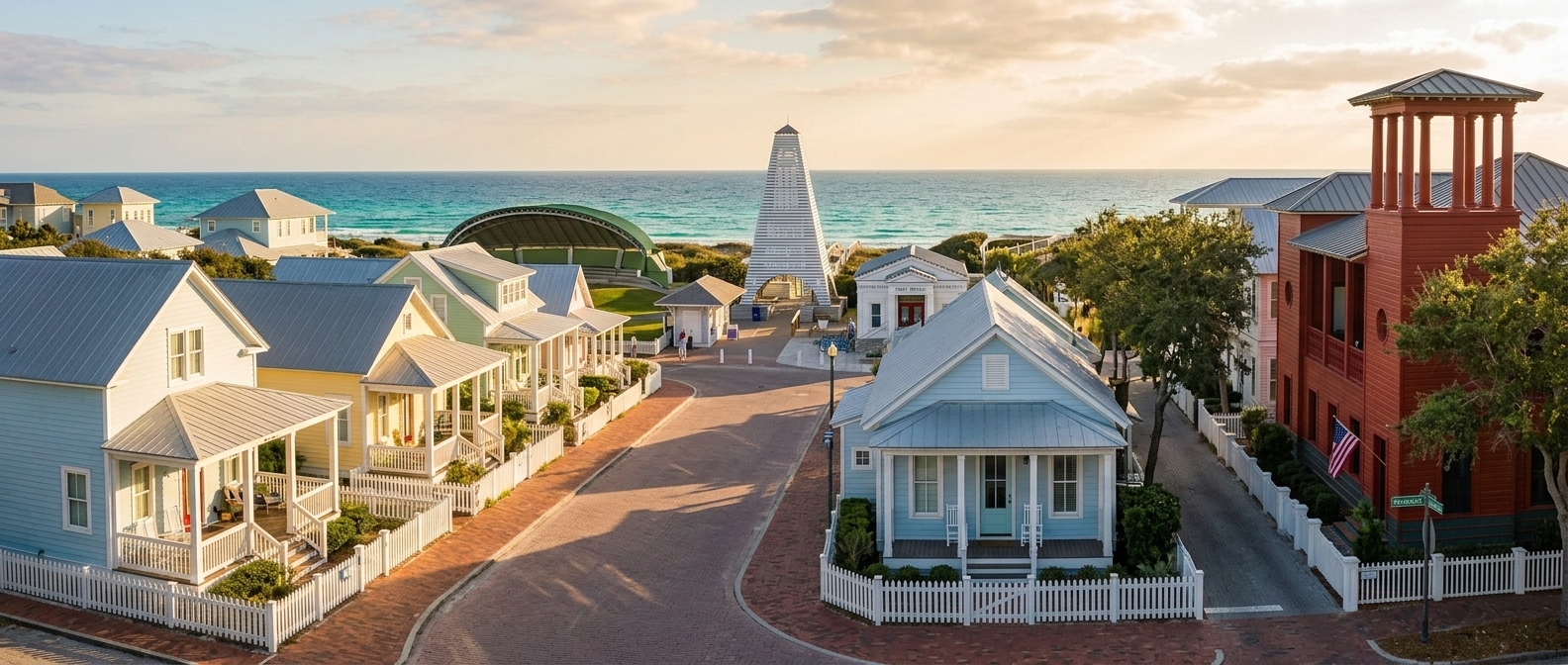
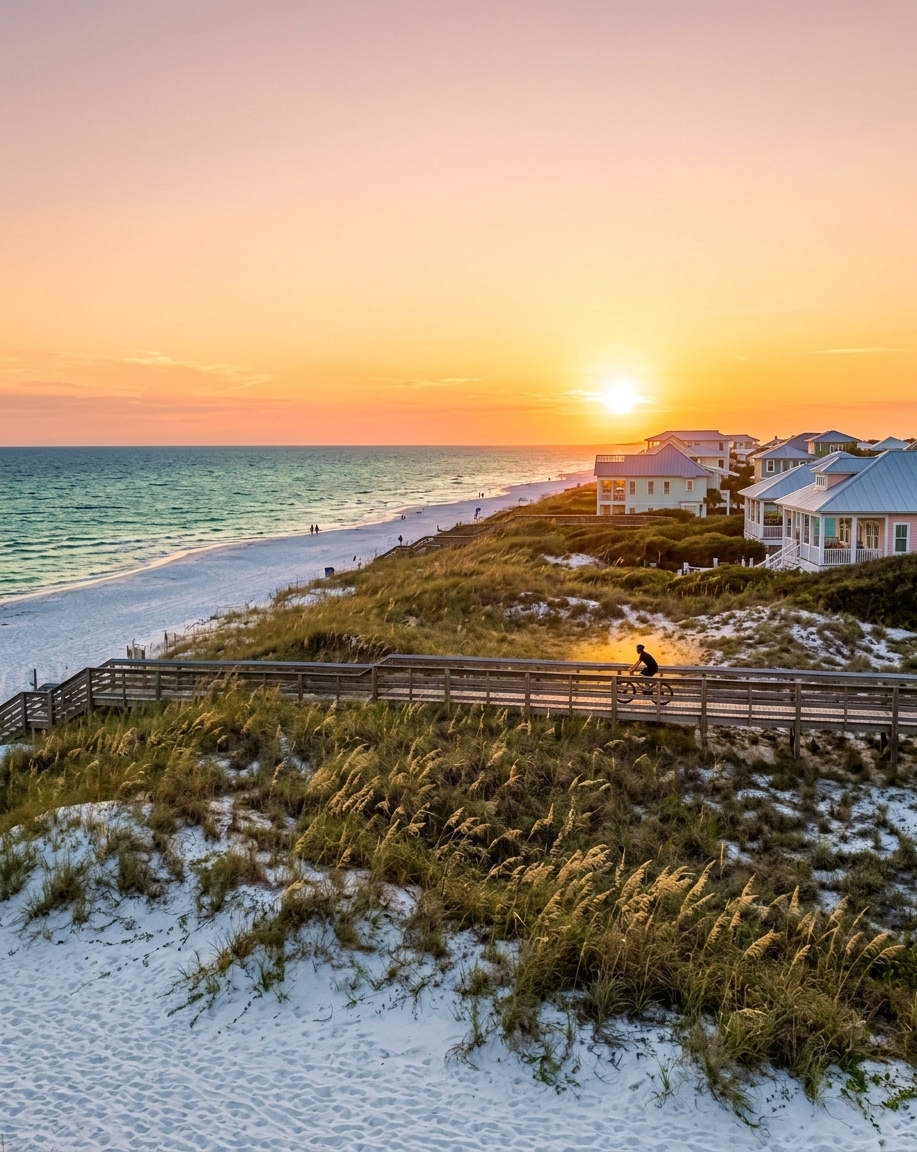
The 30A corridor is one of Florida's most extraordinary stretches of coastline — dune lakes, sugar-white beaches, and charming beach communities that draw buyers from across the country. Before you make your move here, understanding how property taxes work in Walton County is a key step in knowing what homeownership along this coveted stretch truly costs.
How Property Taxes Work in Florida
Florida property taxes are assessed annually on January 1 based on the market value of each property as determined by the county Property Appraiser. Millage rates — expressed as dollars per $1,000 of taxable value — are then set by local taxing authorities, including the county, school board, and any applicable special districts. Florida's Save Our Homes program caps annual assessment increases on homesteaded properties at 3% or the rate of inflation, whichever is lower — offering meaningful long-term stability for primary residents.
Average Property Tax Rates in Walton County
Walton County's median effective property tax rate is approximately 0.74% — well below both the Florida state median and the national median of 1.02%. The median annual tax bill in the county is around $3,340. Within the county, Miramar Beach — one of the communities along the 30A and Destin corridor — carries the highest median effective rate at approximately 0.78%.
Given the premium home values along 30A, buyers should expect annual tax bills that scale with purchase price, with many properties in the $800,000–$2M range carrying annual obligations well into the five figures.
How Property Taxes Are Calculated
Your Walton County tax bill combines levies from the county commission, school board, and any municipal service benefit units (MSBUs) that apply to your property's location.
Properties purchased as vacation rentals or investment properties do not qualify for the homestead exemption or Save Our Homes cap, a meaningful financial consideration for buyers who plan to use a 30A property for part-time occupancy or rental income. It also means that when a property changes hands, the new owner's tax bill will reflect the current market value rather than the seller's often-lower assessed value.
Factors That Can Affect Your Annual Tax Bill
Primary residence status is the single most impactful factor: Florida's $50,000 homestead exemption reduces taxable assessed value for full-time residents, and the Save Our Homes cap limits future increases. Buyers of vacation or investment properties along 30A will not have access to these protections and should budget for annual taxes based on full market value. Special assessment districts tied to specific communities or beach access infrastructure may add to base county taxes in some areas.
When Are Property Taxes Due?
Walton County property tax bills are issued on November 1 each year. The full bill is due by March 31 of the following year, but early payment is financially advantageous: Florida offers a 4% discount for payment in November, 3% in December, 2% in January, and 1% in February. Many buyers along 30A who own investment properties pay directly rather than through escrow, making these early payment discounts a straightforward way to reduce annual carrying costs.
Get more insights on homeownership along 30A on 30A Townsite. Have questions about buying along the Emerald Coast? Connect with Melinda Azar today.
Sources: Ownwell, Walton County Tax Collector, HonestCasa