Visiting 30A in the Fall Shoulder Season Tips: The Insider Guide

30A Community · Community Photo
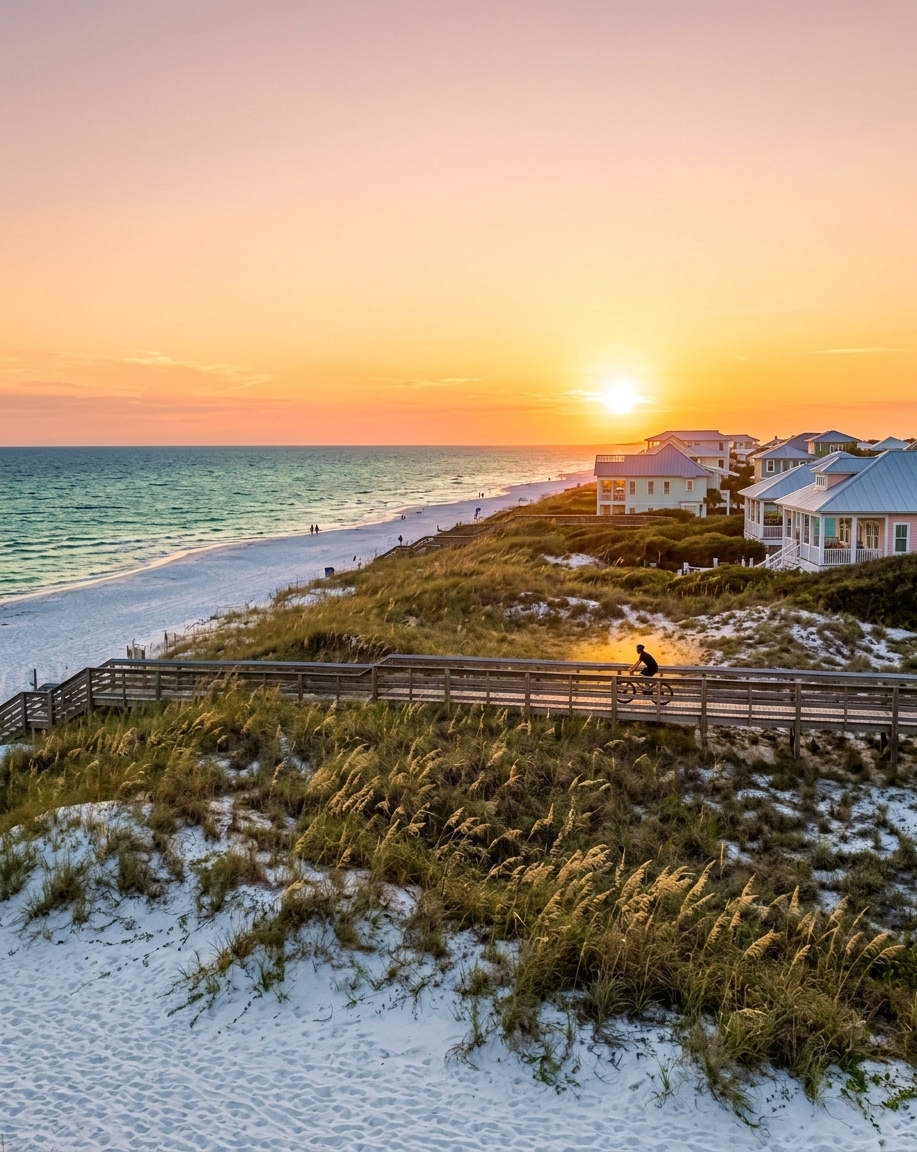
Experience the magic of Florida’s Gulf Coast when emerald waters stay warm, sugar‑white sands are peaceful, and autumn breezes replace summer heat. September still offers high temperatures around 86 °F with low 70 °F and sea temperatures in the low 80s, while October cools to a comfortable 60‑80 °F, delivering crisp, clear days perfect for biking the Timpoochee Trail or paddling a coastal dune lake. After Labor Day, crowds thin and luxury rental rates dip, making this period the best time to visit 30A. Celebrate the season at local events like Seaside’s early‑November Seeing Red Wine Festival, then unwind at sunset‑kissed dunes framed by pastel beach cottages. Use these visiting 30a in the fall shoulder season tips to plan a serene, cost‑effective getaway that captures the region’s New‑Urbanist charm.
When Labor Day rolls away, the relentless pulse of peak summer along Scenic Highway 30A eases into a laid‑back sanctuary where the sea‑kissed sand feels almost private. The crowds thin, the streets quiet, and the rhythm of the Gulf Coast slows to match the gentle fall breezes.
Travelers who linger past the holiday discover the true “golden window” that runs from September through November. This shoulder season offers cooler mornings, radiant sunsets, and the kind of spacious beachfront that only a few weeks of the year can provide.
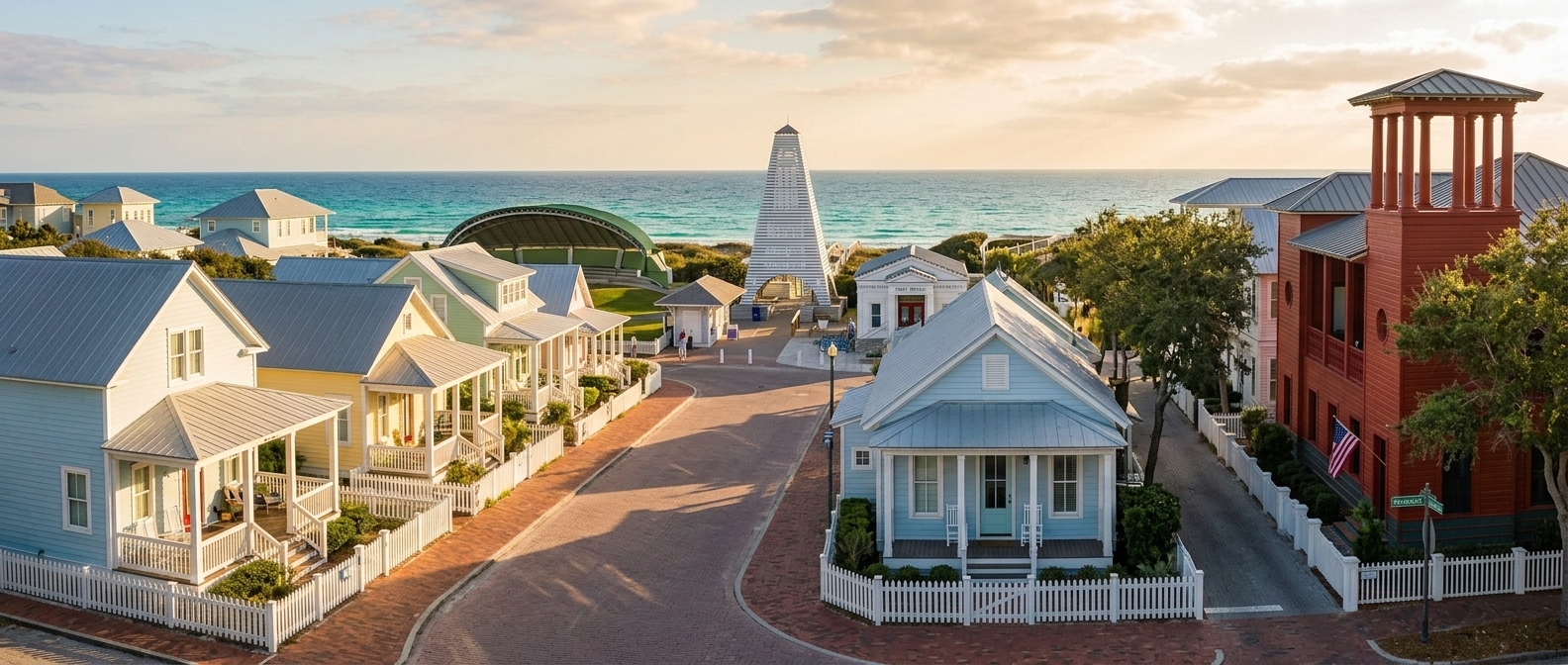
Along the 24‑mile stretch, each New Urbanist town reveals its own quiet charm. In Alys Beach, the gleaming white stucco homes stand out against a backdrop of pastel‑hued dunes, while Rosemary Beach welcomes you with cobblestone lanes and elegant plazas reminiscent of a European seaside village.
Further east, Seaside’s iconic amphitheater and pastel cottages exude a playful, walkable energy that feels both lively and unhurried. Finally, the artistic spirit of Grayton Beach beckons with its funky boutiques, surf‑ready vibe, and nearby state park trails that invite relaxed exploration.
Digital nomads, couples, and young families alike cherish this period for the same reason: uncrowded sugar‑white quartz beaches, crystal‑clear emerald waters, and a climate that encourages long walks, bike rides on the Timpoochee Trail, and evenings spent sipping coffee on a porch swing.
Because the shoulder season benefits include lower vacation‑rental rates, reduced traffic on Highway 30A, and more personalized service at local eateries, many seasoned visitors time their trips to capture these advantages.
For those wondering about thebest time to visit 30A, the answer lies in the balance of pleasant weather and serene surroundings that only the fall months can deliver. The water remains warm enough for a refreshing dip, yet the air carries a subtle, refreshing coolness.
In short, if you’re seekingvisiting 30a in the fall shoulder season tips, remember that the magic begins the moment the Labor Day fireworks fade, and it lasts until the first hint of winter whispers along the coast.
30A Weather by Month: Fall Temperatures & Gulf Water
Month | Average High / Low Air Temp | Average Gulf Water Temp | Swimming & Beach Conditions | Seasonal Atmosphere |
|---|---|---|---|---|
September | Weather in 30A in September offers a high range of 86–89°F and a low range of 70–72°F. | Average Gulf water temperature sits between 81°F and 84°F during this month. | Superb ocean swimming provides bath‑like waters under warm summer sun while humidity begins to soften. | Quiet post‑Labor Day tranquility and lingering summer charm make September a peaceful time on the coast, illustrating 30A weather by month. |
October | Weather in 30A in October brings daytime highs of 80–81°F and nighttime lows of 60–63°F. | The Gulf cools to a range of 75°F–79°F, still comfortable for a dip. | Refreshing and pleasant swimming is paired with low humidity, crisp mornings and evenings. | Peak festival season, prime bicycling weather, and crystalline blue skies define October’s vibe. |
November | 30A weather in November sees highs of 70–73°F and lows of 50–53°F. | Gulf water settles between 66°F and 71°F, inviting brief wading or wetsuit‑required swims. | Brisk wading may require a wetsuit for extended swims, yet the mild sun offers perfect sunbathing. | Cozy beach bonfires, light sweater weather, harvest dining, and uncrowded serenity characterize November. |
September
When you arrive after Labor Day, theWeather in 30A in Septemberstill feels like midsummer. Daytime highs hover around 86°F while evenings dip to the low‑70s, providing a pleasant contrast to the scorching July heat. Gulf water stays exceptionally warm at 81°F–83°F, so swimming, paddle‑boarding, and sunset dips are still inviting. The biggest advantage is the sudden lull in visitor traffic: crowd densities plummet once the holiday ends, giving beach lovers the freedom of a private shoreline without sacrificing summer‑season water temperatures. Pack a light‑weight shirt for daytime sun, a short‑sleeve sweater for cooler evenings, and a snorkel mask to enjoy the warm marine life.
Average high: 86°F
Average low: ≈70°F
Water temperature: 81°F–83°F
Post‑Labor Day crowd drop
October
TheWeather in 30A in Octoberis often hailed by locals as the “crown jewel” month. Daytime highs settle near 80°F and evenings become crisp, often reaching the 60°F mark, eliminating the sticky humidity that defines the summer. With clearer skies and lower moisture, outdoor dining on shaded porches or at waterfront cafés feels effortless. Although water temperatures gradually ease, the Gulf remains warm enough for a comfortable swim, and the gentle breezes make biking the 19‑mile Timpoochee Trail especially enjoyable. Bring a light jacket for night‑time strolls and a reusable water bottle to stay hydrated while exploring the coastal dune lakes.
Average high: ≈80°F
Evening lows: ≈60°F
Reduced humidity, sunny skies
Swimmable water, perfect for cycling
November
By the time30A weather in Novemberarrives, daytime temperatures settle into the low‑70s and nights can dip into the 50s, inviting cozy sweaters and bonfire evenings. Gulf water cools to a range of 66°F–70°F, shifting the focus from swimming to scenic dune walks, hiking, and the region’s celebrated wine festivals. The cooler air enhances the aroma of campfire‑roasted marshmallows, and the reduced crowds mean you can enjoy tranquil beaches and village streets at your own pace. Pack layered clothing, a sturdy pair of walking shoes, and a warm blanket for waterfront fire pits.
Daytime highs: low 70s °F
Nighttime lows: 50s °F
Water temperature: 66°F–70°F
Ideal for hiking, cycling, and evening wine events
Shoulder Season Benefits: Lower Rental Rates and Serenity
Vacation Rental Price Savings
When the summer rush eases,rental rateson 30A follow suit, offering travelers a noticeable dip in cost. In thefall shoulder season, many property owners adjust their pricing to reflect the quieter market, making multi‑bedroom homes in Seaside, WaterColor, or Rosemary Beach more attainable for families and groups. Seasonal adjustments often translate into a generousprice savingscompared with July peak pricing, and owners commonly relax weekly minimum‑stay requirements, allowing flexible three‑ or four‑night stays that suit shorter vacations.
Uncrowded Sugar Sand Beaches
Public beach accesses throughout Walton County remain open and largely unfilled during September and October. Withcrowd levelswell below summer peaks, visitors can stroll onto the soft, sugar‑sand shoreline without racing to claim a spot. Parking lots near the main access points typically have ample space, so you can arrive at a leisurely hour and settle down for miles of quiet, sun‑kissed shoreline. The calm atmosphere also means fewer commercial rental chairs and a more natural beach experience.
Effortless Dining and Biking
Dining at iconic 30A venues becomes a breeze once the high‑season surge subsides. Restaurants such as George’s at Alys Beach, the Red Bar in Grayton Beach, and Bud & Alley's in Seaside often welcome walk‑ins or accommodate same‑day reservations without long waits. After a relaxed meal, theTimpoochee Trail—a paved pathway that stretches roughly 19 miles along the coastline—offers cyclists a smooth, scenic ride. Cooler autumn temperatures make the ride comfortable, and the reduced pedestrian traffic lets cyclists enjoy uninterrupted views of dunes, dunes lakes, and the Gulf.
Why Fall is the Ideal Time
Choosing to explore 30A during thefall shoulder seasonaligns budget‑friendly lodging, tranquil beaches, and hassle‑free dining into one rewarding experience. The combination of lowerrental rates, relaxedcrowd levels, and the ease of securing a table at beloved restaurants creates a vacation rhythm that feels both exclusive and relaxed. For travelers seeking the best of the Gulf Coast without the summer frenzy, these perks make autumn the most compelling season.
For a concise checklist of what to pack, where to ride, and how to maximizeprice savings, see our guide onvisiting 30a in the fall shoulder season tips. It distills insider knowledge into actionable steps so your next getaway can be as effortless as it is unforgettable.
Fall Insider Booking Strategy
Travelers who time their stay between late September and mid‑November unlock the sweet spot of 30A’s shoulder season. During this window the region’s famed beach towns shift from summer bustle to relaxed rhythm, letting visitors enjoy sunny days, cooler evenings, and open‑sand stretches without the typical crowds.
One of the most compelling advantages is the dip in rental rates. Property owners recognize the seasonal lull and often drop nightly fees, delivering price savings that can amount to a double‑digit reduction compared with July and August rates. Booking early in this period also positions guests to secure the most desirable homes before inventory dwindles.
Beyond the baseline discount, many local managers are open to negotiating extended‑stay deals. A week‑long reservation may earn an additional percentage off the already lowered nightly price, while a month‑long stay can produce an even deeper reduction. Engaging directly with the property’s host or manager early in the booking process creates room for tailored agreements that reflect a traveler’s specific timeline.
For couples, remote workers, or families seeking a quick escape, the shoulder season often brings a relaxation of minimum‑night policies. Whereas peak summer rentals typically require a week‑long commitment, owners frequently shift to a two‑ or three‑night minimum during the fall, making it easy to plan long‑weekend retreats without the pressure of an extended stay.
Because the beaches are less crowded, outdoor activities become effortless. Bikers can traverse the 19‑mile Timpoochee Trail at a leisurely pace, and paddlers can explore the rare coastal dune lakes without waiting for launch slots. The combination of open‑air freedom and lower accommodation costs amplifies the overall value of a fall visit.
Seasonal events add a cultural flair to the itinerary. The annual Seeing Red Wine Festival in Seaside, held each early November, offers reserve wine tastings, local cuisine pairings, and a Grand Tasting in the town’s Central Square. Attending the festival during the off‑peak window means easier dining reservations and more space to soak in the festivities.
Travel planners should also consider packing for temperature swings, as October daytime highs range from 60°F to 80°F with clear skies, while September highs can climb to the mid‑80s and Gulf water remains comfortably warm. Layered wardrobes allow visitors to transition smoothly from sunrise beach walks to evening diners.
By aligning travel dates with the late‑September to mid‑November window, negotiating directly with local hosts, and taking advantage of shortened minimum‑night rules, guests achieve a balanced mix of comfort, adventure, and affordability. This strategic approach embodies the core promise of 30A’s fall shoulder season: fewer crowds, reduced rental rates, and memorable experiences that feel tailor‑made for each traveler.
30A Wine Festival & Seeing Red Wine Festival Highlights
Wine & Culinary Festivals
As the leaves turn golden along the pristine shores of 30A,fall festivalsemerge as the season’s centerpiece, drawing locals and visitors alike to a vibrant tapestry of food, wine, and coastal charm.
During October and early November, the30A Communitybuzzes with the aroma of roasted pumpkin, fresh oysters, and locally sourced honey, while vineyards and tasting rooms in South Walton roll out seasonal pours that pair perfectly with the crisp Atlantic breeze.
Strolling past charming boutique hotels and historic cottages, guests encounter bustling farmers’ markets where artisanal bakers showcase warm breads and spiced pastries, creating an edible soundtrack to the rustling palms and surf‑kissed dunes.
Meanwhile, celebrated chefs from nearby towns collaborate with neighborhood chefs to craft multi‑course experiences that highlight the region’s bounty, from Gulf shrimp to heirloom tomatoes, all illuminated by candlelight on beachfront patios.
Wine enthusiasts find themselves wandering from pop‑up tasting tents to intimate cellar doors, sampling limited‑edition blends infused with notes of caramel apple, smoked oak, and sea salt—flavors that echo the surrounding landscape and the festive spirit of the season.
Beyond culinary delights, live music streams from stages set beneath towering oaks, offering soulful blues, folk strings, and upbeat jam bands that keep feet tapping long after the sun dips below the horizon.
Families gather around fire pits, sharing stories and roasting marshmallows, while couples enjoy sunset cruises that reveal the shoreline painted in amber and violet hues, each moment reminding visitors why autumn on 30A feels both relaxed and exhilarating.
For those planning their itinerary, the gentle shoulder season provides more space to explore boutique galleries, historic lighthouse overlooks, and secluded beach walks without the summer crowds, allowing every taste and scent to linger longer.
Whether you are a foodie seeking new flavors, a wine lover chasing the perfect vintage, or simply someone who enjoys the rhythmic lull of waves paired with crisp, cool air, the autumn celebrations along 30A promise unforgettable experiences that capture the heart of South Walton.
Festival Overview
Set against the breezy charm of Seaside, Florida, the Seeing Red Wine Festival stands as a marquee gathering on the Gulf Coast. Over a multi‑day weekend, world‑class vintners, acclaimed chefs, and passionate wine lovers converge to celebrate the region’s best vintages and culinary creativity. The event has earned a reputation as one of the nation’s premier fall celebrations, drawing visitors who seek both sophisticated tastings and the relaxed vibe of the seaside promenade.
Beyond the glass, the festival showcases the collaborative spirit of the 30A wine festival circuit, linking local vineyards with international producers. Guests are treated to intimate dinners where winemakers share the stories behind their bottles, while regional chefs craft dishes that echo the coastal terroir. This synergy of palate and place creates an immersive experience that feels both exclusive and welcoming.
Key Activities
Three signature experiences define the heart of the gathering, each designed to highlight distinct aspects of wine culture.
Reserve Wine Tastingsfeature rare vintages and limited‑edition reserves poured straight from the barrel by the winemakers themselves, offering insight into the craft behind each sip.
Local Cuisine Pairingspresent a rotating selection of dishes prepared by top Seaside restaurateurs, each thoughtfully matched to amplify the flavors of the featured wines.
Saturday Grand Tastingtransforms Seaside’s Central Square into a lively marketplace, where global labels mingle with live music, community spirit, and a bustling crowd of enthusiastic tasters.
While the core programming centers on fine wine, the festival also embraces seasonal variety. Select evenings include curated beer tastings that showcase regional craft brews, and outdoor chef dinners that let guests enjoy gourmet meals beneath the open sky. These complementary events add a festive layer that broadens the appeal for all food and beverage enthusiasts.
Saturday Grand Tasting: The Crown Jewel of Fall Festivals
When autumn rolls in along the Southern California coast, the San Diego Food + Wine Festival turns the waterfront into a culinary arena. The Saturday Grand Tasting, scheduled for Saturday, October 3, 2026, stands as the must‑see moment of this fall‑festival season. Set against the backdrop of Surf Sports Park and the Embarcadero Marina Park North behind Seaport Village, the experience invites visitors to wander among hundreds of chefs, restaurants, wineries, breweries, and craft‑spirit producers.
Ticket tiers reflect the level of immersion you desire. General Admission grants entry to the tasting hall for $210, while Early Admission – which provides earlier entry and a quieter tasting flow – is priced at $260. For those seeking the most elevated experience, the VIP Experience costs $360 and includes early entry, live music, premium wine selections, and curated gourmet food samples.
Beyond the sip and bite stations, the Grand Weekend includes live cooking demonstrations, interactive workshops, and a curated soundtrack that mirrors the season’s relaxed vibe. Because the event is part of a Two‑Day Grand Weekend Presented by Southwest Airlines, attendees can extend their stay to explore additional waterfront activities, making the Saturday Grand Tasting the centerpiece of a broader autumn adventure.
Travel planners often ask about the best way to experience the San Diego Food + Wine Festival without missing any highlights. Pairing your Saturday Grand Tasting ticket with an overnight stay in the city ensures you can attend the evening concerts and the optional sunrise yoga on the marina deck. Early arrival also helps you secure a spot at the most coveted tasting booths, where limited‑release wines from boutique producers are poured.
For those heading to the Gulf Coast, consider reading the upcoming guide titledvisiting 30a in the fall shoulder season tips. While the guide focuses on a different region, the principles of timing, local food culture, and seasonal atmosphere translate well to the San Diego experience.
Remember that the Grand Tasting is a limited‑capacity event, so securing your ticket early—especially at the VIP level—will protect you from last‑minute sell‑outs. Whether you are a seasoned wine enthusiast or a curious foodie, the Saturday Grand Tasting promises a concentrated dose of culinary creativity that defines the spirit of fall festivals in San Diego.
Coastal Dune Lakes & Autumn Paddling on 30A
Autumn arrives with a crispness that transforms the Gulf‑Coast dunes into a perfect playground for paddlers.Cooler breezesreplace the summer heat, and the normally bustling waters settle into a gentle hush, inviting both kayakers and stand‑up paddleboarders to explore the serene dune lakes at a relaxed pace. The season’s shorter daylight hours mean early mornings are especially rewarding, as mist rolls off the surface and the surrounding pines reflect golden hues onto the water.
During the time of fall festivals, the shoreline comes alive with local artisans, food stalls, and music, yet the water itself remains surprisingly tranquil—a contrast that makes paddle‑boarding feel like a private excursion amidst community celebrations. The calm conditions reduce the effort needed to maintain balance, allowing newcomers to gain confidence while seasoned paddlers can focus on technique and scenic routes along the narrow inlets and hidden coves.
Because the water temperature drops only slightly, a light wetsuit or layered clothing provides enough comfort without the bulk of full winter gear, keeping the experience enjoyable from sunrise to late afternoon. The surrounding dunes, often dusted with a light layer of fallen leaves, create a backdrop that is both photogenic and reflective, encouraging paddlers to pause and soak in the landscape.
If you’re planning a trip, consider consulting resources that offervisiting 30a in the fall shoulder season tipsto fine‑tune your itinerary; these suggestions often highlight the best launch sites, tide tables, and local safety guidelines specific to the cooler months. The nearby 30A Community frequently hosts informational gatherings where locals share insight on weather patterns and optimal paddling windows, ensuring that visitors can navigate the lakes safely and confidently.
Remember to check wind forecasts before heading out, as even mild breezes can ripple across the calm surface and affect board stability. Early afternoon tends to bring the most consistent conditions, while evenings may introduce gusty sea breezes that are better suited for a relaxed kayak cruise rather than an energetic paddle‑boarding session.
Whether you’re seeking a quiet sunrise paddle, a leisurely afternoon glide, or a chance to mingle with festival goers while gliding through glassy waters, fall paddling on the dune lakes delivers a harmonious blend of nature, community, and adventure that is uniquely seasonal. Embrace the cooler air, enjoy the calm, and let the rhythmic dip of the paddle be your guide through this enchanting autumn landscape.
Western Lake Overview
Nestled within Grayton Beach State Park along Scenic Highway 30A in Santa Rosa Beach, Western Lake is a coastal dune lake—one of the few such formations worldwide, sharing its rarity with sites in Madagascar, New Zealand, Australia, and Oregon. The lake’s brackish waters are shallow, generally about 4–5 feet deep, and the surrounding dunes create a tranquil backdrop for paddlers.
During the shoulder months, air and water temperatures typically sit between 70°F and 80°F, offering a comfortable paddling environment without the extremes of summer heat or winter chill.
Paddling Conditions
Early‑day paddles often reveal a flat, calm surface that makes for smooth gliding. Light breezes may stir minor chop later in the afternoon, but most visitors find the lake’s wind‑sheltered orientation ideal for relaxed exploration.
Calm surface conditions– especially in the morning, providing a gentle ride for beginners and seasoned paddlers alike.
Opportunities to watch migrating shorebirds– plovers, terns, herons, and egrets frequently pause along the shoreline, while ospreys may soar overhead.
Easy access points from the park’s trailheads– dedicated boat and paddle ramps sit near the nature trails, allowing quick entry without lengthy hikes.
Wildlife Watching
The lake’s location within a protected state park invites abundant bird activity. Migratory shorebirds use the shallow margins as feeding stations, and resident waterfowl glide across the quiet waters. Ospreys, often perched on nearby trees, scout the surface for fish, adding a dynamic element to the paddling experience.
Practical Tips
For those interested invisiting 30a in the fall shoulder season tips, arriving early maximizes the chance of calm water and active birdlife. Pack a waterproof bag for a light snack, bring sun protection for open‑air exposure, and remember that the park’s facilities include restrooms and water refill stations near the paddle launch.
What to Bring
Because Western Lake is shallow, a stable paddleboard or a wide‑body kayak enhances stability. A pair of binoculars enriches bird‑watching, while a dry‑bag safeguards personal items from occasional splash.
Why It Matters
Experiencing Western Lake connects paddlers to a distinctive ecosystem that blends coastal dune geography with freshwater habitats. The combination of gentle paddling conditions, abundant wildlife, and convenient park access makes it a standout destination for anyone traveling the 30A corridor.
Comfortable Waters for a Peaceful Eco‑Adventure
When the water sits between 70°F and 80°F, the environment strikes a balance that feels neither chilling nor sweltering. This temperature band is frequently cited by outdoor‑sport experts as the sweet spot for casual kayaking, paddle‑boarding, and light snorkeling. Because the water is comfortably warm, you can enjoy longer periods on the water without the urgent need for heavy thermal gear.
Gear Choices That Match the Temperature
In these mild conditions, lightweight apparel works best. Boardshorts, rash guards, or a simple swimsuit provide sufficient protection while allowing freedom of movement. If a breeze is expected, a thin, moisture‑wicking layer such as a synthetic short‑sleeve shirt or a merino wool tee adds a touch of warmth without overheating.
Sun protection becomes a priority, as pleasant water temperatures often coincide with bright, sunny days. A wide‑brimmed hat, UV‑blocking sunglasses with a retention strap, and a high‑SPF sunscreen applied generously are essential items to keep skin safe from prolonged exposure.
To keep personal items dry, a dry bag is recommended. Pack high‑energy snacks, a reusable water bottle, and a change of clothing to transition comfortably from water to shore.
Safety Reminders Even in Warm Water
Although 70°F–80°F water reduces the risk of cold shock, extended immersion can still lead to mild hypothermia if you remain in the water for many hours without adequate insulation. Periodic breaks on the shore, staying hydrated, and listening to your body’s signals help maintain comfort and safety.
For those planning a trip with the 30A Community, remember that the region’s fall shoulder season offers calm waters within this ideal range. Including the phrase visiting 30a in the fall shoulder season tips in your planning notes ensures you stay focused on the most relevant local advice.
By selecting appropriate lightweight gear, prioritizing sun safety, and respecting the body’s limits, you can fully embrace the tranquil experience that 70°F–80°F waters provide. Pack thoughtfully, stay aware, and let the gentle temperature guide you toward a memorable eco‑adventure.
Timpoochee Trail Cycling on the Fall 30A Coast
Autumn drifts onto the Emerald Coast, and the once‑blazing sun begins to mellow into a gentle, golden light. The air turns crisp, carrying the faint scent of sea‑sprayed pine and distant bonfires, while the notorious summer swarms of tourists thin out like tide‑receding shells. For cyclists, this transition means the legendary30Atrail sheds its heat‑induced glare, offering smoother pavement and a more forgiving ride under a sky that shifts from turquoise to soft amber. With fewer crowds, riders can savor every twist of the coastal path, pause at hidden tide pools, or simply enjoy the rhythmic hum of tires on asphalt without the constant buzz of hurried footsteps.
The cooler temperatures also bring practical benefits: layers become optional rather than essential, allowing cyclists to stay comfortable from sunrise to dusk. Morning rides are invigorating, as the sunrise paints dunes in pink and the wind brushes past, while afternoon sessions avoid the oppressive humidity that can sap energy in midsummer. Evenings extend the riding window, because the drop in temperature keeps muscles from overheating, and the reduced glare enhances visibility on the road’s reflective markers.
Beyond comfort, thefall shoulder seasonuncovers hidden gems that often remain overlooked. Local cafés swap iced drinks for spiced coffees, and seasonal menus spotlight fresh catch and farm‑to‑table produce, providing perfect refueling stops after a long ride. Wildlife emerges more visibly—sea turtles nest earlier, migratory birds pause over the marshes, and the occasional dolphin arcs beside the shoreline—offering cyclists a chance to admire nature’s choreography without the distraction of crowded boardwalks.
For those planning a trip, a handful of simple strategies can elevate the experience. Pack a lightweight windbreaker, carry a reusable water bottle, and equip your bike with tire pressure gauges to adapt to cooler, denser air. Checking the local forecast each morning helps you choose the optimal route, whether you prefer a breezy inland stretch or a sheltered beachfront corridor. And remember, the best‑kept secret is to start early; mornings on the trail are quieter, the ocean’s mist feels refreshing, and the sunrise provides a natural boost of motivation.
All these factors combine to make thefall shoulder seasonan ideal time for cyclists seeking solitude, scenic beauty, and pleasant riding conditions along the iconic coast. Embrace the rhythm of the season, and let the quieter roads reveal why this stretch of shoreline remains a beloved destination for riders year after year.
Trail Overview
The Timpoochee Trail stretches approximately 19 miles of paved, multi‑use surface, inviting cyclists, walkers, and runners alike.
It knits together the distinctive beach towns of Dune Allen, Rosemary Beach, WaterColor, Grayton Beach, and Inlet Beach, each offering its own flavor of coastal charm.
The route’s smooth asphalt makes it accessible for families and seasoned cyclists, while the surrounding dunes and maritime forest provide ever‑changing scenery.
For those planning a longer ride, the trail can be broken into segments that start or finish at any of the linked communities, allowing flexibility in distance and timing.
Visiting 30a in the fall shoulder season tips includes taking advantage of cooler breezes and lighter crowds, making the trail especially pleasant for early morning or late afternoon excursions.
Rider Experiences
Along the way, riders often pause for refreshments and local delights. Below are some experiences commonly enjoyed.
Stopping at local coffee shops for a refreshing brew or snack
Browsing unique coastal boutiques and neighborhood shops
Taking short detours off the path to explore public beach access points
These brief side trips allow riders to feel the sand between their toes, hear waves lapping, and capture photos of sunrise or sunset vistas without leaving the trail entirely.
Amenities
Because it combines a safe, even surface with the natural beauty of the Gulf coastline, the Timpoochee Trail remains a top recommendation for anyone exploring 30A Community by bike or on foot.
Whether you are seeking a leisurely morning ride, a vigorous workout, or simply a scenic backdrop for a family outing, the trail’s connectivity to five charming locales ensures you never run out of interesting stops.
Throughout the route, several public facilities enhance comfort for travelers. At the Dune Allen trailhead, restrooms and water fountains are available, while nearby bike shops in Rosemary Beach and Grayton Beach offer rentals and repair services for spontaneous needs. Picnic tables dot the path near WaterColor, inviting riders to enjoy a meal with ocean views. Signage is clear and frequent, guiding visitors to safe crossing points and reminding them of local wildlife such as nesting sea turtles and shorebirds.
In months, trail takes on a character as sunrise paints the sky in pinks and gull call echoes over the dunes. Early autumn brings foliage along the inland sections, providing a contrast to the endless blue of the Gulf. These seasonal shifts create a backdrop for photography, making each ride feel like an adventure.
Enjoy Cooler Rides and Open Roads
When the leaves turn gold along 30A, cyclists find the air dipping to comfortable, milder temperatures that keep sweat from soaking shirts and muscles from overheating. This natural cooling means that a light, packable jacket is often enough to stay warm during a morning departure and can be easily stashed away once the sun climbs. The shifting weather also brings a visual feast—rolling hills painted in amber, fiery maples, and crisp, clear skies that make every kilometer feel like a meditation.
Another subtle benefit of this shoulder season is the lighter flow of motor traffic. Fewer cars on the coastal road translate to wider lanes, quieter intersections, and more opportunities to enjoy the rhythm of pedaling without frequent stops. Riders report feeling a greater sense of safety, especially on routes that wind close to the shoreline where vehicle speeds can be a concern during peak summer months. While exact traffic counts vary, the overall reduction creates a more relaxed atmosphere for cyclists of all skill levels.
Staying hydrated remains crucial, even when the temperature feels cool. A reusable water bottle, filled before setting out, ensures that fluid intake is maintained without the need to search for a stop‑over. Many cyclists appreciate the simplicity of a bottle that can be refilled at local cafés or water fountains found along the route. Choosing a bottle made from stainless steel or BPA‑free plastic also aligns with the season’s ethos of sustainability and low‑impact travel.
For clothing, the recommended gear is a wind‑proof or water‑resistant layer that can be zipped or unzipped as conditions change. A breathable fabric will let body heat escape on sunny stretches while guarding against unexpected drizzles that are common in early autumn. Pair this with padded cycling shorts and gloves that provide grip without bulk, and you’ll be prepared for the full range of sensations that the fall landscape offers.
These practical tips, drawn from the insights of local cycling guides and seasoned riders, form the core of a satisfying autumn adventure. Embracing the milder climate, taking advantage of quieter roads, and equipping yourself with a light jacket and a reusable water bottle will help you make the most of each ride. Whether you’re a frequent rider or a newcomer eager to explore 30A, the shoulder season invites you to pedal at your own pace and soak in the seasonal beauty.
For those interested in visiting 30a in the fall shoulder season tips, these guidelines can serve as a quick reference.
Visiting 30a in the Fall Shoulder Season Tips for Families Travel Planning
Coastal Layering Rule
Daytime temperatures along 30A in September commonly reach 86°F, while October daytime highs range between 60°F and 80°F. Evenings drop into the 50s and low‑60s, so pack a versatile wardrobe that can transition from beach‑ready to breezy dinner‑ready. Swimsuits, lightweight linen shirts, flip‑flops, and sunglasses cover the warm midday hours. Add a cozy knit sweater, a light denim jacket, and a soft wrap for the cooler evenings when the Gulf breeze picks up.
Gear for Water & Shore
In September the Gulf water stays warm at 81°F‑83°F, meaning standard swimwear or a rash guard is sufficient for swimming, paddle‑boarding, or snorkeling. By late October, water temperatures dip toward the upper 70s, so consider packing a lightweight spring wetsuit or a thermal rash guard if you plan extended water activities.
Swimwear:Two sets to rotate between beach and pool.
Rash guards:Essential for sun protection and cooler water.
Light wetsuit:Ideal for October evenings and early November surf.
Sun hat & SPF:Protect skin during peak sun hours.
Family‑Focused Fall Packing Tips
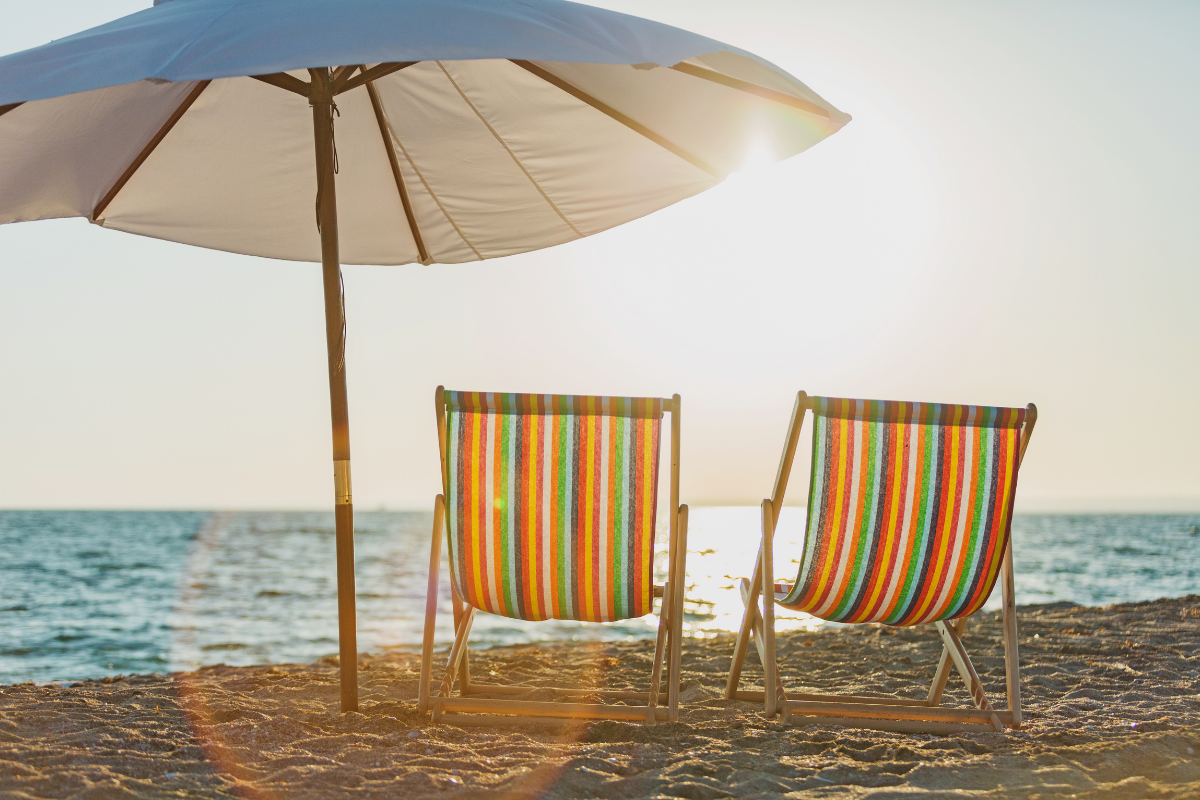
Visiting 30a in the fall shoulder season tips for families emphasize low crowd levels and gentle weather, perfect for preschool‑aged kids or homeschooling groups. Pack a small cooler for beach snacks, a portable beach umbrella for shade, and a set of sand toys that dry quickly. Bring a reusable water bottle and light‑weight rain jacket in case of an unexpected afternoon shower.
Playground gear:Slip‑on shoes and a blanket for the quiet splash pads.
Evening comfort:A pair of soft socks and a hoodie for sunset walks.
Health kit:Basic first‑aid items and any required allergy medication.
Remote‑Work Essentials
Many vacation rentals on 30A feature screened porches with high‑speed Wi‑Fi, making remote work feel like a retreat. Include a compact laptop stand, a noise‑cancelling headset, and a portable power strip. Draft a simple itinerary that blends work blocks with short bike rides on the 19‑mile Timpoochee Trail, allowing you to recharge in the fresh sea air.
Schedule morning work sessions when the internet is fastest.
Take a mid‑day break for a beach walk or a quick paddle‑board session.
Wrap up with an evening stroll to the nearby dune lakes for sunset photography.
Simple Travel Planning Checklist
Using a printable list helps streamline your fall escape. Check each item before you leave to avoid last‑minute stress.
Confirm rental rates have dipped post‑Labor Day.
Verify the weather forecast for September or October.
Reserve any autumn festivals, such as Seaside’s early‑November Seeing Red Wine Festival.
Pack layered clothing, water gear, family activities, and remote‑work tools.
30A Travel Planning
Fall Shoulder Season Trip & Packing Planner
September · October · November — the sweet spot for visiting 30A
☁ Weather Snapshot
☑ Packing Checklist
🌎 Top 3 Local Activities
Frequently Asked Questions About Visiting 30A in the Fall
October delivers some of the most comfortable weather along the 30A corridor. Daytime highs average around 81°F, while evenings cool to the low 60s, offering crisp breezes perfect for strolling the Seaside and Rosemary Beach promenades.
Humidity drops noticeably compared with summer, and Gulf water stays swimmable at roughly 77°F to 79°F, allowing for a quick dip without a wetsuit. Clear, sunny skies dominate the month, making outdoor dining and sunset watching especially enjoyable.
September provides a sweet spot for travelers who crave warm ocean water while avoiding peak‑season crowds. Air temperatures typically peak in the upper 80s, with average highs near 89°F and nighttime lows around 72°F.
Gulf water remains bath‑warm, ranging from 81°F to 84°F, so swimming is pleasant. After Labor Day, visitor numbers drop substantially, opening up beach space and freeing up reservations at popular restaurants.
November appeals to those who enjoy milder, sweater‑weather experiences. Average daytime highs settle near 72°F, and evenings dip into the low 50s, creating ideal conditions for biking the Timpoochee Trail or exploring the coastal dune lakes.
Water temperatures cool to 66°F–71°F, which can feel brisk for prolonged swimming without a wetsuit. The month also features the annual Seeing Red Wine Festival in Seaside, a four‑day celebration of reserve wines and local cuisine.
The Atlantic hurricane season officially runs through November 30, so travelers should consider travel insurance and stay informed of regional forecasts. Despite the season, most boutiques, coffee shops, and award‑winning restaurants along 30A stay open year‑round, serving both residents and shoulder‑season visitors.
These considerations complement the visiting 30a in the fall shoulder season tips that many travelers find helpful.