Environmental Conservation Volunteer Groups on 30A
Environmental conservation volunteer groups on 30A Scenic Highway 30A in Walton County, Florida, offers a setting for helping protect beaches, coastal dune lakes and wildlife. Way...


30A Community · Community Photo
Environmental conservation volunteer groups on 30A
Scenic Highway 30A in Walton County, Florida, offers a setting for helping protect beaches, coastal dune lakes and wildlife. Ways to get involved range from casual beach cleanups to wildlife stewardship requiring training and an ongoing commitment.
This guide distinguishes groups serving the 30A corridor from nearby programs outside it, helping residents, visitors and families choose a suitable fit. Confirm current opportunities and participation requirements directly with each organization before making plans.
Compare Conservation Groups on 30A and Nearby
Organization | Actual service area | Conservation work | Participation and commitment | Official next step |
|---|---|---|---|---|
South Walton Turtle Watch | Local/regional: Walton County beaches outside state parks. | Permitted sea turtle nesting surveys, nest protection and monitoring, nest success inventories, and stranded sea turtle response. | Survey volunteers must be 18, live locally, and commit to at least 2 days per week from May 1 through October 31. Openings are posted on social media when available. Casual educational participation includes seasonal Wild Sea Turtle Wednesdays at The Big Chill, Watersound. | South Walton Turtle Watch Get Involved page; official social media for posted openings. |
Friends of South Walton Sea Turtles | Local: Walton County, Florida. | Sea turtle conservation through awareness, public education, school and community programs, and informational campaigns. Separate from South Walton Turtle Watch; does not handle animals or interact with nests. | The Volunteer Beach Ambassador Program requires a $5 annual membership fee, mandatory annual training, and a VBA shirt when interacting with beachgoers and locals. Optional We Share the Beach educational sessions offer casual participation. | Friends of South Walton Sea Turtles Get Involved page. |
Choctawhatchee Basin Alliance | Regional: Choctawhatchee Basin watershed, including Choctawhatchee Bay, local rivers, and coastal dune lakes. | Community science water quality monitoring, living shorelines, oyster gardening and shell recycling, monofilament recycling, and invasive species removal. | Seasonal restoration events include coastal cleanups and Vertical Oyster Garden workshops. Community science and ongoing volunteer pathways are listed through the activity calendar and volunteer portal. | Choctawhatchee Basin Alliance Volunteer Page and public activity calendar. |
Friends of Grayton Beach and Deer Lake State Parks | Local: Grayton Beach State Park and Deer Lake State Park along Scenic Highway 30A in South Walton. | Natural resource preservation, native plant gardening, trail and beach maintenance, exotic plant removal, park interpretation, and public education. | Individual opportunities include greeting visitors, maintaining trails, and removing exotic plants. Group pathways include cleanups and park improvements. Long-term resident/campground host opportunities require at least 24 hours per week per campsite, with a maximum stay of 16 weeks. | Florida State Parks Volunteer Portal; Friends of Grayton Beach State Park official website. |
Choose a Volunteer Activity That Fits Your Visit
Pick a Simple Conservation Volunteer Activity on 30A
Organizer‑led cleanups are a good first step for a short visit; they gather a beach conservation volunteer group for a few‑hour litter pick‑up and usually open with a brief safety orientation.
Many local teams also coordinate habitat restoration volunteer activities such as invasive‑plant removal or native‑seed planting around the dune lakes, and they provide a concise on‑site briefing before work begins.
If you are drawn to wildlife, you can ask about wildlife conservation volunteering opportunities like bird‑watch surveys or turtle‑nest monitoring that require minimal prior experience and a short introductory session.
Match the type of task and any required orientation to your own schedule, and let the organizer know exactly how much time you can commit.
Questions to Ask Organizers
Casual clean‑up events vs. wildlife‑focused programs
Casual clean‑up events—such as beach litter pickups—are open to anyone who shows up, and participants usually just bring a bag and follow simple safety guidelines. These activities often partner with citizen‑science tools, but they do not involve handling protected species.
Regulated wildlife work requires authorization
Work that involves sea‑turtle nests, egg handling, or rescuing stranded animals is subject to the U.S. Endangered Species Act and Florida Fish and Wildlife Conservation Commission (FWC) permits. Only volunteers named on an authorized permit, or those working under the direct supervision of a permit holder, may engage in such tasks. Completion of mandatory training workshops provided by the organizing program is a prerequisite.
Placement is selective and seasonal
Interest in wildlife‑focused volunteering does not guarantee a placement. Programs limit participants based on seasonal needs (peak nesting runs roughly May 1 through October 31), training capacity and legal authorizations. Volunteers often commit to a multi‑month season with minimum weekly hour requirements.
Not a drop‑in activity
Because of legal and safety requirements, wildlife handling cannot be offered as a short‑visit or drop‑in option. Those seeking to join must be prepared for a longer commitment and to meet the training and permit criteria set by the authorized organization.
Choose a Long‑Term Conservation Role That Fits Your Life
Explore Typical Project Activities
Questions to ask organizers
What is the typical weekly or monthly time commitment expected of volunteers?
Is there an orientation session, and are background checks or specific training required before starting?
Where will the volunteer activities take place – within the 30A corridor or at sites outside the area?
What criteria are used to move from basic clean‑up tasks to more specialized conservation work?
Are there age limits, fees, or equipment that volunteers must bring?
Practical next step
Reach out to the organization using the contact information listed on its official volunteer page. Confirm a recurring role that fits your schedule, then complete any required registration forms, background checks, and training modules before beginning your first assignment.
Volunteer Participation and Wildlife Handling
Regular volunteering does not automatically give you the legal authority to conduct turtle surveys or handle wildlife. Such activities are limited to organized programs that have the required permits, training, and supervision approved by state wildlife agencies or federal guidelines.
Volunteers must never perform surveys, handle turtles, or intervene in nests on their own. All hands‑on work must be carried out within an authorized project and under the direction of qualified staff.
Even if you are eager for advanced wildlife tasks, access is not guaranteed. Assignments are based on seasonal project needs, the availability of permits, background clearances, and the capacity of the organization to provide proper training.
Pick the Right Conservation Activity for Your Family
Supervised cleanups – These events typically involve a group of volunteers picking up litter along the shoreline or at a dune lake under direct adult supervision. Ask the organizer about the level of oversight, the ages they welcome, and any equipment that participants need to bring. Organizer‑directed trail maintenance – Activities may range from clearing debris and invasive plants to fixing signage on the Timpoochee Trail. The physical demands can vary, so inquire about the amount of walking, lifting, or kneeling required and whether younger volunteers can take part. Educational outreach – Some groups offer guided tours, classroom‑style presentations, or hands‑on workshops that focus on the unique coastal ecosystems of the 30A corridor. Find out what preparation is expected, the typical duration of the session, and what age groups are best suited for the learning experience. Each of these activity types depends on the specific tasks planned, the physical effort involved, and the supervision provided. Contact the event organizer to confirm which option aligns with your interests, abilities, and any family or group considerations.
Questions to ask the organizer
What minimum ages apply to the specific project?
What adult supervision is required, and how many adults must be present?
Can the tasks be adjusted to accommodate different abilities or experience levels?
Is the organizer able to accept the group on the dates you plan to attend?
Confirm the location
Please verify whether the activity takes place on the 30A corridor or outside of it.
Next steps
Review the organizer’s official family or group participation guidelines. Share the ages of your participants and any specific group needs with the organizer. Confirm that you meet eligibility requirements and complete any registration processes before you book or apply.
Supervised Clean‑ups vs Regulated Wildlife Work
Family‑oriented clean‑up events such as beach litter collections or habitat trash sweeps are supervised activities that do not grant participants the authority to conduct sea‑turtle surveys, handle protected animals, or intervene in wildlife habitats.
Any work that involves direct interaction with wildlife—monitoring species, handling animals, or performing field interventions—requires participation through an officially authorized organizing program. Volunteers must complete formal training and hold the appropriate state or federal permissions, or be directly supervised by qualified staff.
Signing up for a clean‑up does not guarantee a placement on a wildlife‑focused project. Assignments are allocated only when seasonal needs, authorization caps, and training capacity align with the organization’s requirements.
Children are welcome at general clean‑ups, but they are not automatically qualified for wildlife‑handling roles. Project‑specific age minimums and eligibility rules should be verified directly with the event organizer before participation.
How to Sign Up and Volunteer Responsibly
30A · Conservation volunteering
From Interest to
Responsible Participation
A thoughtful path from choosing an activity to protecting the places you came to help.
Choose a verified organization and location
Identify the group managing the activity. Confirm the project’s location and whether it is along the 30A corridor or outside it.
Check opportunities and eligibility
Ask the organizer about current openings, age requirements, waivers, training and the expected commitment. Confirm whether the activity is a casual cleanup or trained wildlife work.
Register and confirm details
Follow the organizer’s signup process. Confirm the meeting point, what supplies are provided and what you should bring.
Follow the briefing and protect habitats
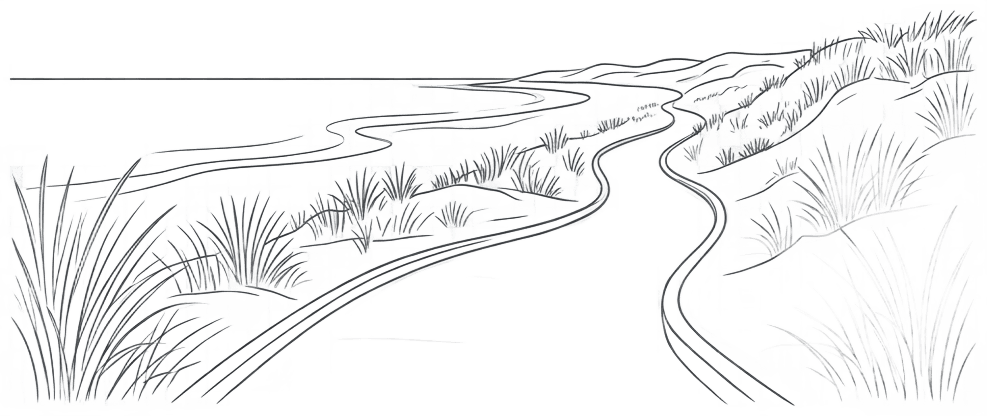
Follow site instructions and designated access paths. Stay off dunes and vegetation, leave natural materials in place, and avoid disturbing wildlife or nests. Report hazardous items to the organizer rather than handling them.
Accessible text equivalent
Choose a verified organization and confirm the project location. Contact the organizer about current opportunities, eligibility, training and commitment before registering. Confirm where to meet and which supplies to bring. During the activity, follow the safety briefing, use designated paths, protect dunes and vegetation, leave natural materials undisturbed, keep away from wildlife and nests, and report hazardous items to the organizer.
Responsible Volunteering Checklist
Follow site rules. Listen to the organizer’s briefing and follow park rules and site-specific instructions.
Protect dunes and vegetation. Use designated beach access paths and stay off dunes and fragile native plants.
Give wildlife space. Observe from a safe distance without touching or disturbing animals or nests. Leave stranded or dead animals alone and alert the organizer.
Leave natural materials in place. Do not move barriers or collect shells, driftwood, seaweed or rocks.
Report hazardous litter. Leave sharp, heavy or hazardous items untouched. Notify the organizer rather than attempting to collect them yourself.
Prepare for the conditions. Plan drinking water and sun protection for the weather, and confirm with the organizer what supplies to bring.
Questions about volunteering on 30A
Yes. Visitors can join community beach cleanups and selected educational or animal-care activities during their stay. Contact the organizer before making plans to confirm availability, registration and the commitment required.
Alaqua Animal Refuge is in Freeport, outside the 30A corridor; confirm its volunteer requirements and location before arranging a visit.
Most casual cleanups and community events are free to attend. Structured programs may have membership or registration fees. Friends of South Walton Sea Turtles requires a $5 annual membership for its Volunteer Beach Ambassadors.
Before registering, ask the organizer whether your chosen activity has a fee or membership requirement.
Casual community beach cleanups welcome families and children, but participation rules depend on the event. Animal refuges and specialized conservation programs have their own age and adult-accompaniment requirements.
Tell the organizer your children's ages and ask whether the activity is suitable, whether an adult must stay with them and whether registration is required.
Informal, self-directed litter pickup does not require event registration. Joining an organized cleanup is different: coordinated events may use advance sign-ups or designated check-ins to distribute supplies and record collected litter.
Check the event organizer's instructions for registration, meeting location, supplies and check-in arrangements before heading out. Do not assume an organized event accepts drop-ins.
No. Sanctioned turtle patrols are not casual drop-in activities. South Walton Turtle Watch operates under Florida Fish and Wildlife Conservation Commission permits and requires an application process, screening, mandatory training and a reliable seasonal commitment.
Picking up beach litter does not authorize wildlife handling or participation in nesting surveys. For a less intensive way to help, explore public educational activities or the Friends of South Walton Sea Turtles Volunteer Beach Ambassadors program. Contact the organization directly to confirm its current requirements and next steps.
Ready to choose a volunteer opportunity?
Choose a group from the comparison, then visit its official volunteer or contact page to confirm the next opportunity, age and training requirements, any fees, and the meeting location before making plans.
Contact the organizer directly to register. 30A Community does not operate these programs, manage their schedules or accept volunteer registrations.