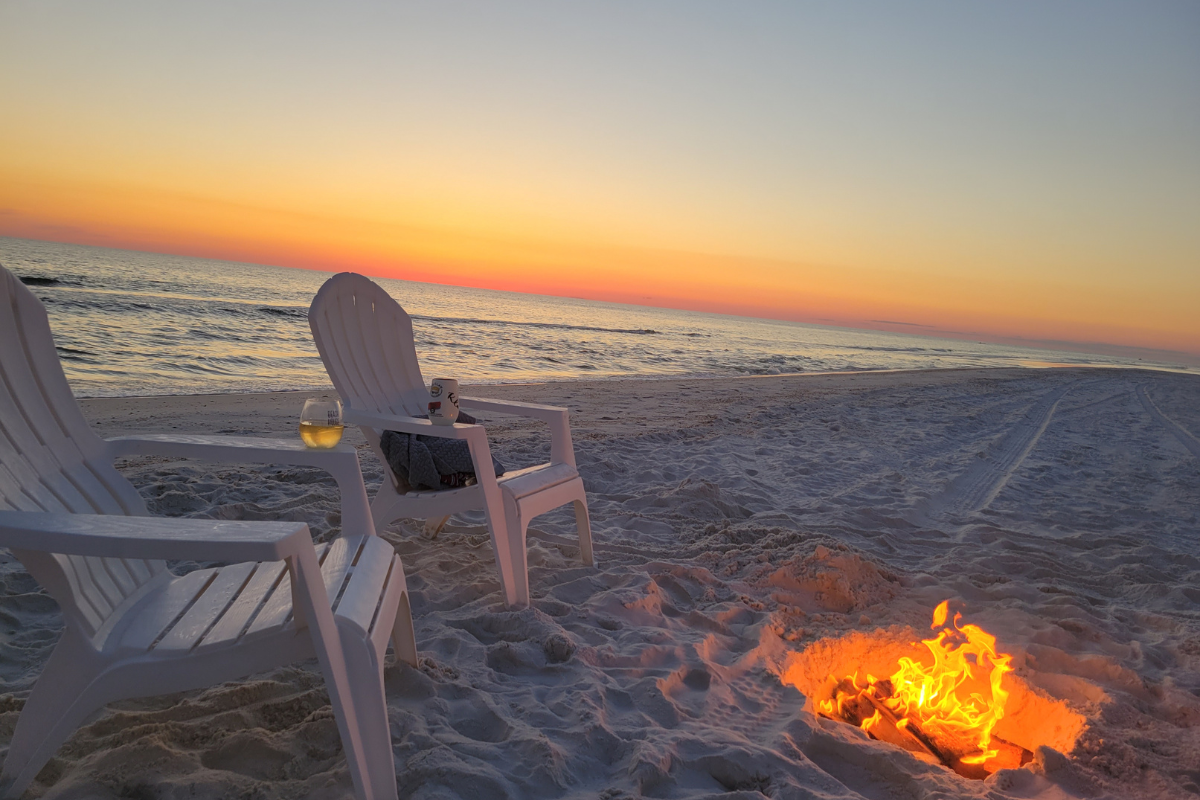
How to Get a Permit for a Beach Bonfire on 30A South Walton

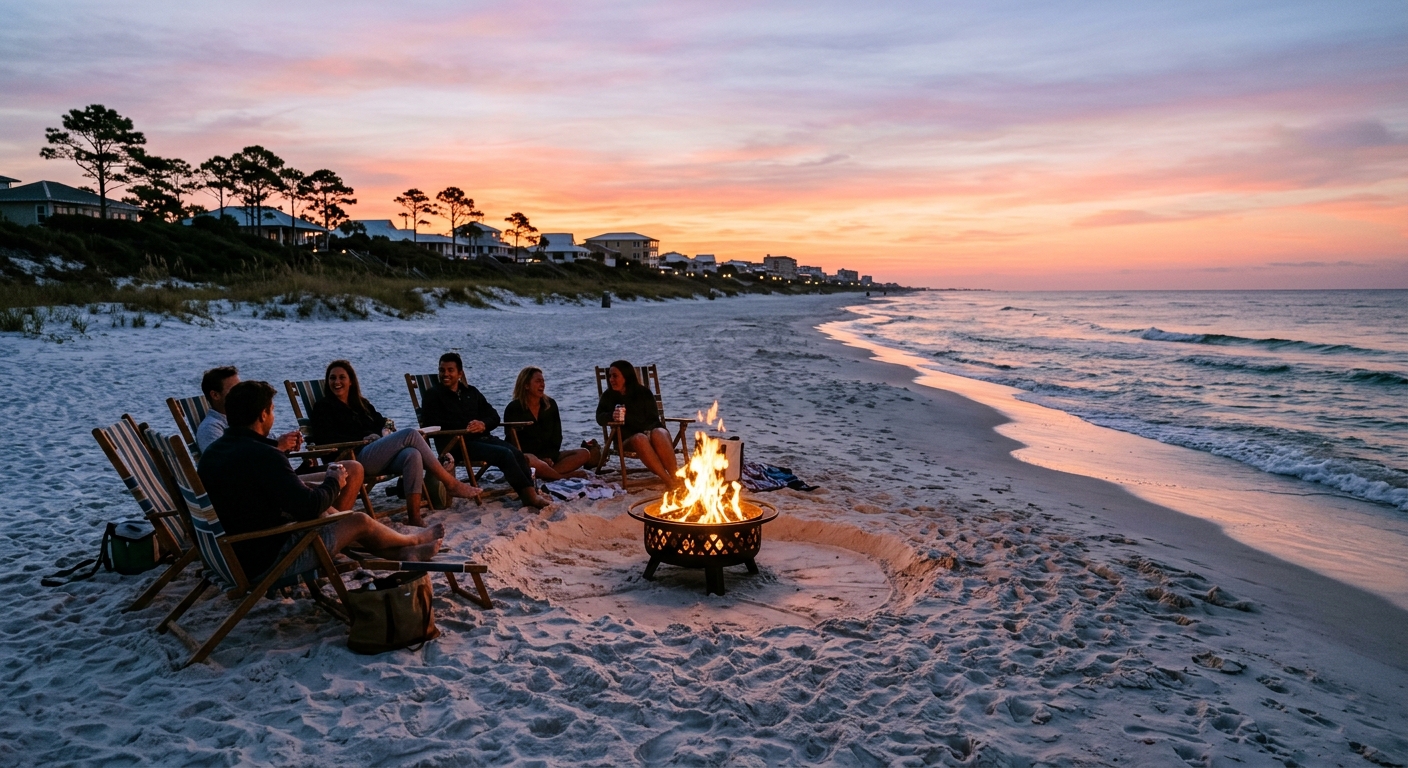
30A Community · Community Photo
Enjoy the iconic Emerald Coast tradition of a dusk beach bonfire while staying safe and fully compliant. Whether you’re a vacationer soaking up the Gulf breeze or a resident celebrating a coastal night, this guide walks you through every step to secure a legal SWFD permit and light your fire responsibly.
Evening Around the Flame
There are few experiences quite as magical as a30A beach bonfireon the sugar‑white sands of South Walton, Florida. Whether you’re unwinding after a day in Santa Rosa Beach FL, exploring the dunes of Grayton Beach, or strolling through Rosemary Beach, gathering around a fire creates memories that linger long after the embers fade.
Because this cherished tradition touches both visitors and residents, the South Walton Fire District (SWFD) acts as the sole authority forbeach bonfire regulations. Every open flame—whether wood‑burning or propane—requires an approvedSWFD bonfire permitbefore a match is struck.
Understanding theapplication processis simple: contact the SWFD office during regular business hours (Monday through Friday, 8 am to 4 pm) and submit the required form, paying the associatedbonfire permit cost. A wood‑fuel permit totals $150 (or $157 online), while a propane‑fuel permit totals $100 (or $105 online). The permit also outlines the essentialsafety guidelinesthat keep guests, wildlife, and the shoreline safe.
Maximum attendance: fewer than 30 people per standard permit.
Fires must be extinguished with water and cleared by midnight (or 11 pm in the winter months).
All fire pits require a steel bottom that sits at least 4 inches off the sand.
During turtle nesting season (May 1 – October 31), fires must be at least 200 feet from any nest.
By respecting theSWFD permit feeand following the established rules, you help preserve the natural beauty of the Gulf Coast while enjoying an unforgettable night under the stars.
Under Walton County Resolution 2021-151, lighting an unauthorized fire or 30A beach bonfire on South Walton shoreline carries an immediate fine of $500.00.
Code enforcement officers and South Walton Fire District (SWFD) marshals regularly patrol the beaches, and a valid SWFD bonfire permit must be secured before any fire is lit. Permits cannot be issued retroactively once a fire has already been started.
To stay compliant, obtain the appropriate walton county beach permit in advance and follow all safety guidelines.
Beach Bonfire Permit Costs, Types & Group Size Guidelines
Permit Type | Max Group Size | Validity |
|---|---|---|
Wood‑Fueled Temporary Permit | Under 30 guests | 1 night (starts at 4:00 PM on the selected date and expires at 1:00 AM the following day) |
Propane‑Fueled Temporary Permit | Under 30 guests | 1 night (starts at 4:00 PM on the selected date and expires at 1:00 AM the following day) |
Annual Gulf‑Front Owner Permit | Under 30 guests (special event permit required for larger groups) | Valid through December 31 of the calendar year |
Large Group Gathering | 30 + guests (requires Walton County Special Event Permit) | 1 night (or event duration as specified by the Special Event Permit) |
Fee Structure
Understanding the bonfire permit cost is the first step for anyone planning a beach fire on South Walton. The SWFD permit fee covers the fire district’s operational costs and the county portion of the fee.
Wood‑fueled bonfire: $150 total — $50 to the South Walton Fire District and $100 to Walton County. When paid online a $7 credit‑card processing fee is added, bringing the total to $157.
Propane‑fueled bonfire: $100 total — $50 to the South Walton Fire District and $50 to Walton County. Online payment adds the $7 fee for a total of $105.
Both components are collected in a single transaction by the South Walton Fire District.
Permit Types
Temporary single‑night permits are ideal for vacationers and locals planning an evening gathering. Annual permits are reserved for deeded Gulf‑front property owners and automatically expire on December 31 each year. This outlines how to get a beach bonfire permit for short‑term events.
Group Size and Special Event Requirements
Standard permits cover gatherings of fewer than 30 attendees. When a group reaches 30 or more, the event is classified as a special event and requires a separate Walton County beach permit issued by the Tourist Development Council or Planning Department before the South Walton Fire District will authorize the bonfire. The bonfire permit 30a rules also stipulate that all wood pits must be a steel bottom fire pit with a minimum 4‑inch clearance from the sand, and that fires must be extinguished with water only. Even a diy beach bonfire must adhere to these requirements.
These beach bonfire regulations further require a steel bottom fire pit to sit at least four inches above the sand. The application process is handled Monday through Friday, 8 am to 4 pm. Failure to obtain the proper permit carries a $500 fine.
Step-by-Step Guide: Apply for Your 30A Bonfire Permit
How to Get a Beach Bonfire Permit on 30A
A step-by-step guide to legally hosting a beach bonfire in South Walton, Florida — fees, rules, seasonal windows, and safety requirements.
Choose Beach Access & Date
Use a public regional or neighborhood beach access point, or obtain written permission for a private Gulf-front parcel.
Standard permits cover gatherings of under 30 people. Groups of 30+ must also obtain a Walton County Outdoor Special Event permit.
Fires must be placed at least 200 feet from any sea turtle nest during turtle nesting season.
Submit the Application
Santa Rosa Beach, FL 32459

Provide Details & Pay
Applicant must be 18 years or older and provide a valid driver's license and phone number.
Keep the Permit On‑Site
Save the confirmation email on a mobile device or print a hard copy to bring to the beach.
Present permit to fire marshals, beach code enforcement, or law-enforcement officers on request.
Steel fire pit bottom must sit a minimum of 4 inches off the sandy beach surface.
Fires must be extinguished with water only — never sand or other materials.
Only combustible materials free of nails, glass, and dangerous items may be burned.
How to Get a Permit for a Beach Bonfire on 30A South Walton
All requests are handled through the South Walton Fire District portal atwww.swfd.org/beach-safety/bonfire-permit-request. The system opens same‑day slots at12:01 AM, allowing you to reserve a fire for that night, and also lets you book up to two weeks ahead.
Online Application Workflow
Log in or create a new user profile on the portal.
Enter your driver’s license number and select the exact beach access name or number where you plan to light the fire.
Choose the fuel type (wood or propane) and confirm the associated fee ($150for wood,$100for propane) plus the standard credit‑card processing fee of$7if you pay online.
Review the timing restrictions: from March 1 to October 31 you may set the pit after 5:00 PM and must clean up by midnight; from November 1 to February 28 the cutoff is 4:00 PM with cleanup required by 11:00 PM.
Submit the application. You will receive a digital permit confirming the date, time (generally starting at 12:01 AM for same‑day requests) and location.
Peak Holiday Weeks
During Memorial Day through Labor Day, the Fourth of July, and Fall Break, the district caps the number of active permits per public beach access. Slots fill quickly, so aim to file your request as early as the portal opens.
Contact the Office
Need help? The South Walton Fire District administrative office at911 N County Road 393, Santa Rosa Beach FL 32459is open Monday through Friday, 8 AM–4 PM. Call850‑267‑1307or emailbeachbonfire@swfd.orgfor assistance.
Bonfire FAQ
Can i have a bonfire on the beach in florida?Yes, with a valid permit from the South Walton Fire District and adherence to the placement and cleanup times noted above.
Burn ban walton county– If a countywide burn ban is announced, all permits are suspended until the ban is lifted. Check local news for any active bans before planning.
DIY beach bonfire– For a do‑it‑yourself approach, follow the portal steps and be sure your pit meets the required 4‑inch steel bottom clearance.
30A bonfire vendors– Licensed vendors can file the permit on your behalf and provide compliant fire pits.
Rosemary Beach bonfire permit– When requesting a fire at Rosemary Beach, specify the exact access point to ensure the permit is tied to the correct location.
Equipment Specs, Safety Protocols, and Beach Regulations
Container Specifications
Wood fire pits: Must be a metal container with a solid steel bottom that sits a minimum of4 inchesabove the sand. The pit cannot exceed4 feetin diameter, and bottom‑less rings are not allowed.
Propane pits: Must be a certified unit listed underUL(Underwriters Laboratories) orCSA(Canadian Standards Association) standards.
Fuel & Burning Materials
Allowed fuel: Clean, non‑toxic, untreated wood. Ignition should be started with paper and matches.
Prohibited items: Pallets with nails or other metal, glass, pressure‑treated or creosote‑treated lumber, tar paper, plastics, foam, rubber, glue‑impregnated materials, household trash, and any accelerants such as lighter fluid.
Extinguishing Protocols
Douse wood fires completely with water until all embers and materials are cool to the touch.
Never bury hot coals or ashes with sand; this creates hidden heat hazards for beachgoers and wildlife.
Leave No Trace
All coals, ashes, containers, and trash must be removed from the beach.
Cleanup must be finished by midnight (March 1 – October 31) or by 11:00 PM (November 1 – last day of February).
Heat Retention Danger
Sand acts as a thermal insulator, so hot coals, embers, or ash that are buried retain high temperatures for many hours—often surviving overnight. This hidden heat can cause severe third‑degree burns to anyone who steps on the sand before the fire is fully extinguished.
Impact on People and Pets
Beachgoers:Barefoot walkers, children, and pets are especially vulnerable to the concealed hot spots left from a buried fire.
Injury risk:The insulated coals can burn skin to the third degree in seconds, requiring immediate medical attention.
Impact on Sea Turtles
Buried fire remnants and trash disrupt the subterranean beach environment that sea turtles rely on for nesting. The heat and debris can damage nests, while plastic or metal fragments may injure hatchlings as they emerge.
Leave No Trace Ordinance
Walton County requires that all beach bonfire sites be left “Clean, Dark, and Flat.” This means no debris, ash, or equipment may remain after the fire.
Timing Windows
FromMarch 1 to October 31, fire equipment and bonfire pits cannot be placed on the beach before5:00 p.m.. All cleanup must be completed by12:00 midnight.
FromNovember 1 to the last day of February, equipment cannot be placed before4:00 p.m., and cleanup must be finished by11:00 p.m..
Debris Pack‑Out Protocol
Extinguish the fire completely with water—burying coals or ash is prohibited.
Pack out every piece of ash, unburned wood, metal container, and personal trash.
Inspect the area to ensure the sand is flat and free of any remaining debris.
Leave the beach as you found it, respecting the “Clean, Dark, and Flat” standard.
DIY Bonfire vs. Hiring a Turnkey 30A Beach Vendor
DIY Route
Choosing the do‑it‑yourself path gives you full control but also places every responsibility on you.
Permit acquisition:Apply directly to the South Walton Fire District during regular office hours (Monday‑Friday, 8 am‑4 pm) propane fire—plus a $7 credit‑card processing charge.
Equipment hauling:You must transport a metal fire container with a steel bottom that sits at least 4 inches above the sand, approved clean wood or a propane tank, beach chairs, coolers, and enough water for dousing—all down the sandy dune boardwalks.
Compliance monitoring:Fires must stay under 4 feet in height, maintain a 3‑foot non‑combustible clearance, and be positioned at least 50 feet from dunes, vegetation, vehicles and structures, and at least 100 feet from any sea‑turtle nest (May 1 – Oct 31 31, equipment cannot be placed before 5:00 pm and all remnants must be cleared by midnight. From Nov 1 to the end of February, placement cannot begin before 4:00 pm and cleanup must be finished by 11:00 pm.
Penalties:Conducting a bonfire without a permit can result in a fine of $500.
Turnkey Service
Professional vendors manage the entire experience, turning the evening into a hassle‑free event.
Permits handled:Licensed providers secure the SWFD permit on your behalf, ensuring the correct $150 (wood) or $100 (propane) fee plus the $7 processing charge.
White‑glove setup:Teams arrive after the legal setup window (post‑5:00 pm March‑Oct, post‑4:00 pm Nov‑Feb) to place the approved fire container, arrange luxury beach chairs, and set up to six tiki torches.
Enhanced amenities:Packages often include pre‑packaged gourmet s’mores kits, Bluetooth‑enabled acoustic music, and custom table setups.
Full cleanup:After extinguishing the fire with water, the crew removes ash, packs up all gear, and leaves the beach spotless before the midnight or 11:00 pm curfew.
Compliance guarantee:Vendors are versed in the 50‑foot dune buffer, 100‑foot turtle‑nest distance, and the 4‑inch steel‑bottom requirement, reducing the risk of the $500 fine.
Who Benefits Most
DIY enthusiasts:Travelers who already own compliant equipment, enjoy hands‑on preparation, and want to minimize expense will find the DIY route most economical.
Turnkey seekers:Groups that prefer a curated, stress‑free evening—especially larger parties or special occasions—will appreciate the convenience of a licensed service.

Frequently Asked Questions About 30A Beach Bonfires
Bonfires are strictly prohibited and illegal on all beaches in Destin and Okaloosa County.
To enjoy a legal beach bonfire you must travel east into Walton County—locations such as Miramar Beach, Santa Rosa Beach, or other spots along the 30A corridor—where the South Walton Fire District issues permits under defined guidelines.
Standard permits are non‑refundable for inclement weather; bonfires are treated as rain‑or‑shine events.
If winds exceed safety thresholds or a red/double‑red marine flag is in effect, fire officials may suspend or revoke the permit for that night.
Any reschedule must be arranged directly with the permitting agency and is not guaranteed.
When a county‑wide or state‑mandated burn ban is issued due to drought, low humidity, or high winds, all open‑burning activities—including beach bonfires—are immediately halted.
Any existing permits are cancelled and remain suspended until the burn ban is officially lifted by Walton County authorities.
During the turtle nesting window, bonfires must be at least200 feetfrom any marked sea turtle nest.
Fire pits and related equipment cannot be placed on the beach before5:00 PM, and all cleanup must be completed bymidnight.
Artificial light may not be directed toward dunes or hatchlings.
All debris, furniture, and trash must be removed before nightfall.
Preserving the Magic of 30A
Enjoying an evening fire under the stars is one of South Walton’s defining coastal memories.
Keeping this tradition alive depends on every resident and visitor respecting local fire‑safety ordinances, obtaining the mandatorySouth Walton Fire District (SWFD)permit, and leaving no trace on our pristine beaches.
Ready to discover more about life and travel along the Scenic Highway 30A corridor? Explore additional community guides and local insights on30atownsites.com.